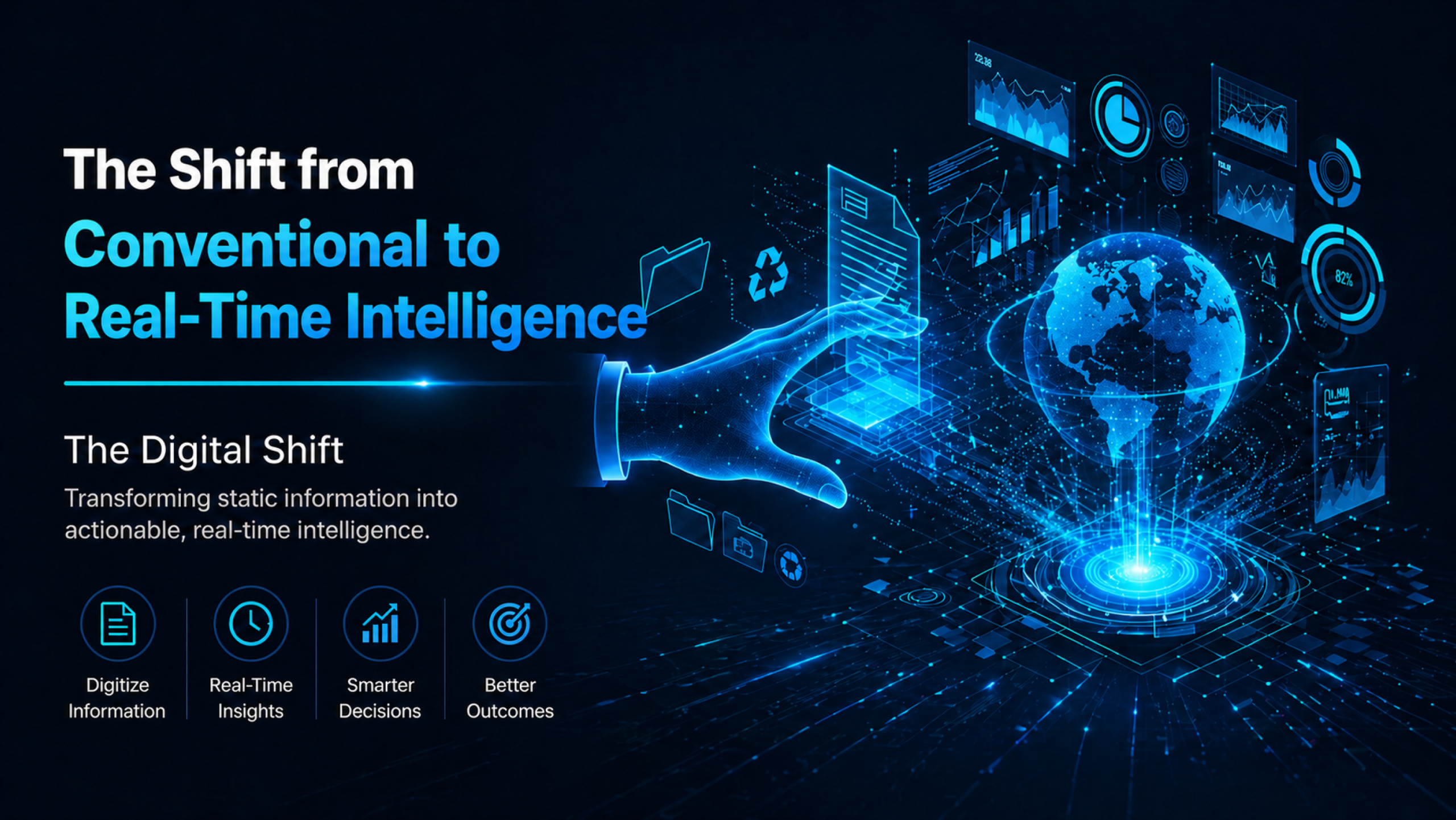
For decades, utility field operations relied heavily on paper forms, manual sketches, and delayed data entry back at the office. While this approach worked in simpler times, it often led to data inconsistencies, slow decision-making, and very limited visibility into what was actually happening on the ground. Critical updates—like a faulty transformer, a leaking pipeline, or a blocked sewer line—could take hours or even days to reflect in central systems.
Today, mobile field applications are transforming this landscape. Tools like ArcGIS Field Maps and ArcGIS Survey123, HexaFOMS enable field teams to capture, validate, and synchronize data in real time, directly from the field and resolve the incident related issues within no time. The result is a seamless flow of information between field crews and decision-makers, creating a more responsive and intelligent utility ecosystem.
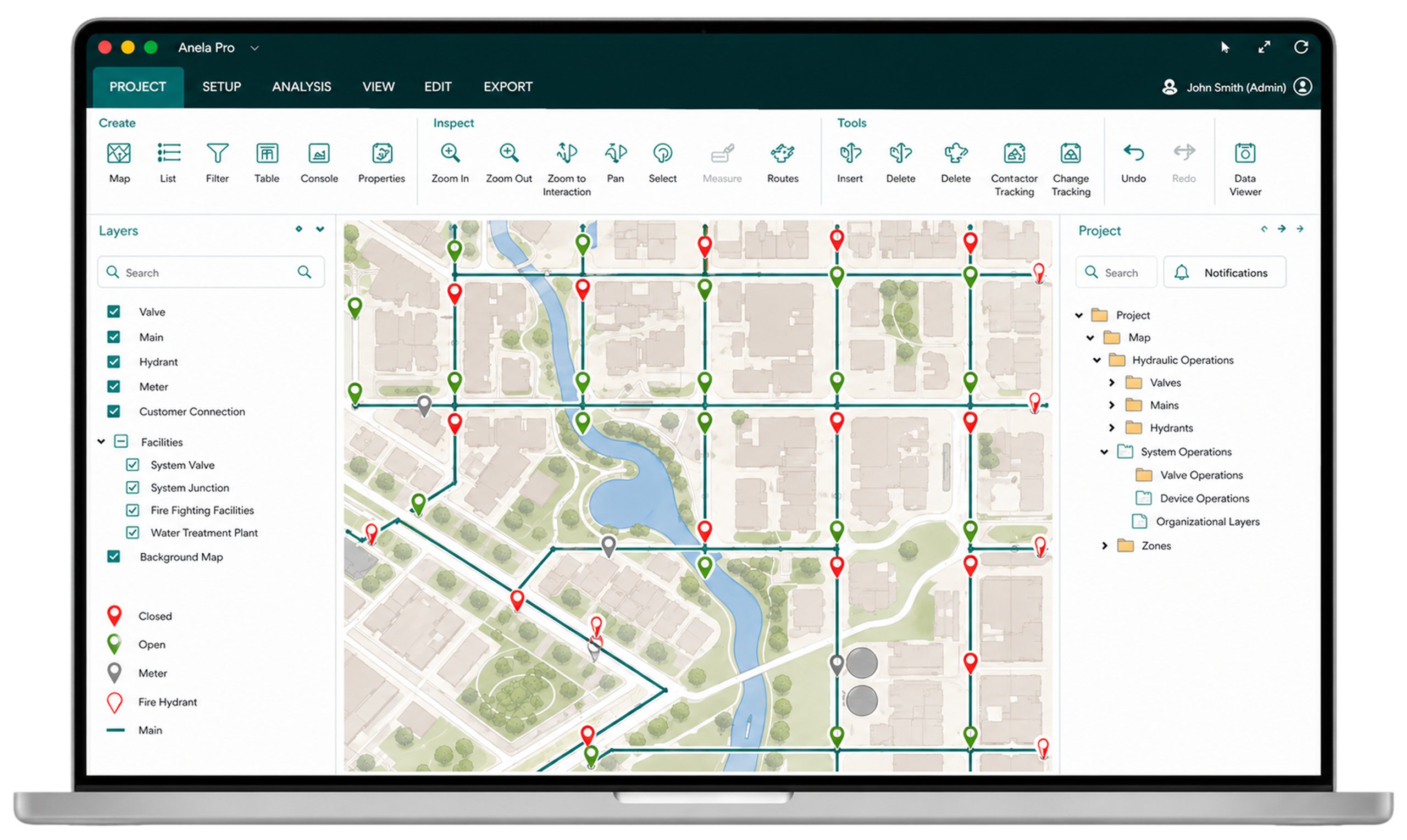
Utilities manage vast and complex networks—electric poles, transformers, gas pipelines, telecom towers, as well as water pipelines, hydrants, meters, and sewer systems. With mobile GIS applications, field crews can capture precise GPS locations, update asset attributes on-site, and attach photos or condition assessments instantly.
This ensures that the central GIS, often powered by platforms like ArcGIS Enterprise, remains accurate and continuously updated. For water and sewer utilities, this is especially critical in managing underground infrastructure, reducing asset loss, and improving maintenance planning.
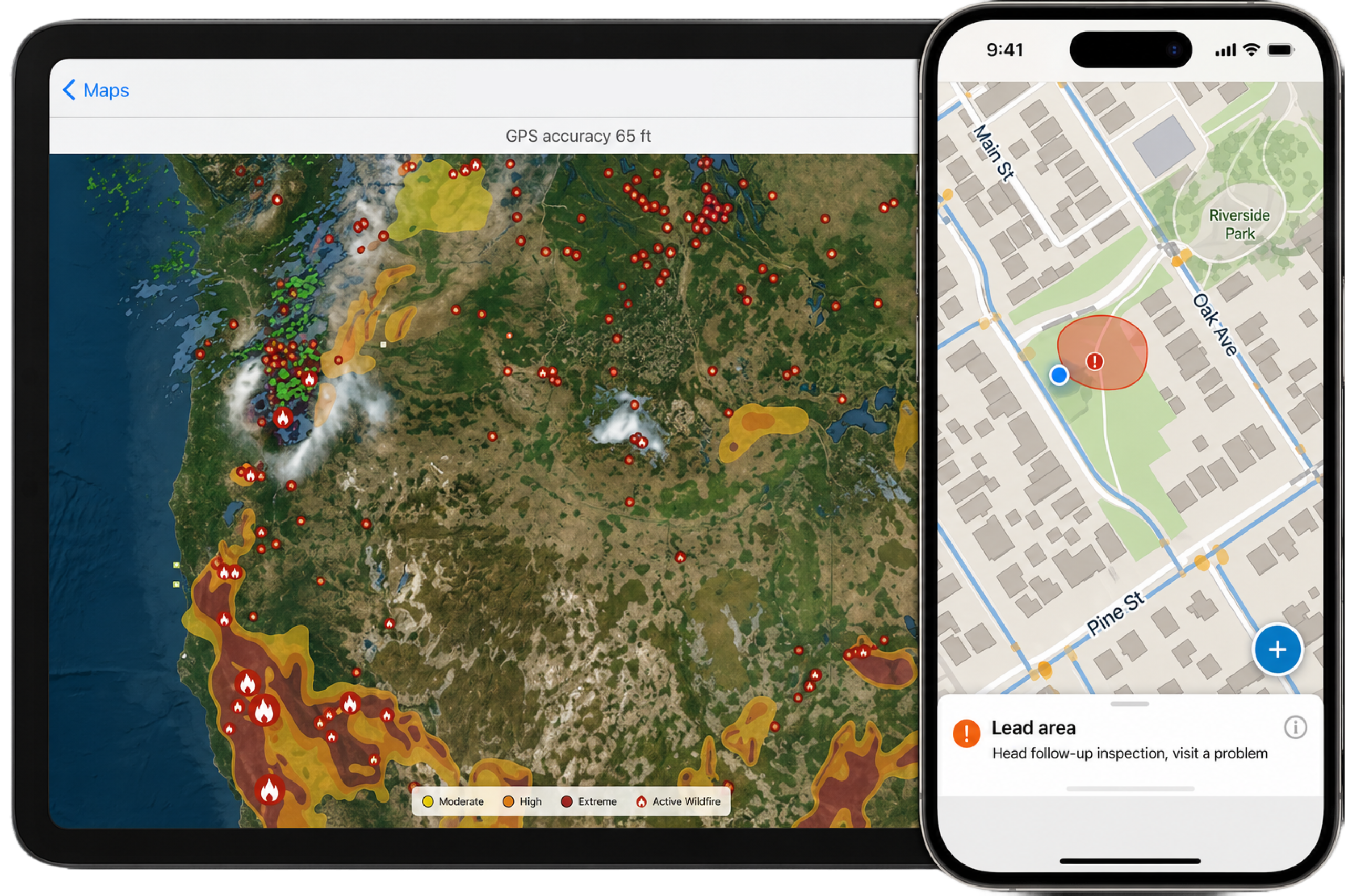
One of the biggest challenges in field operations is maintaining consistency in data collection. Mobile apps address this by enabling standardized, digital survey forms tailored to specific use cases. Utilities can design workflows for safety inspections, leak detection, telecom audits, and vegetation management.
For water utilities, this extends to water quality sampling—capturing parameters like pH, turbidity, and chlorine levels—as well as sewer inspections and blockage reporting. Built-in validation rules ensure that data is complete and accurate, significantly reducing manual errors and improving reliability.
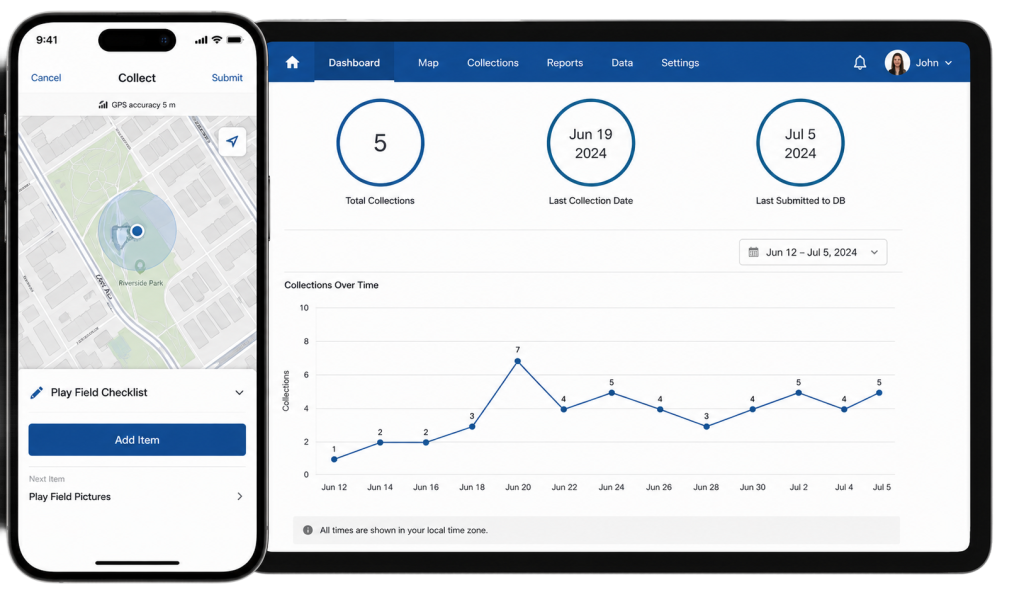
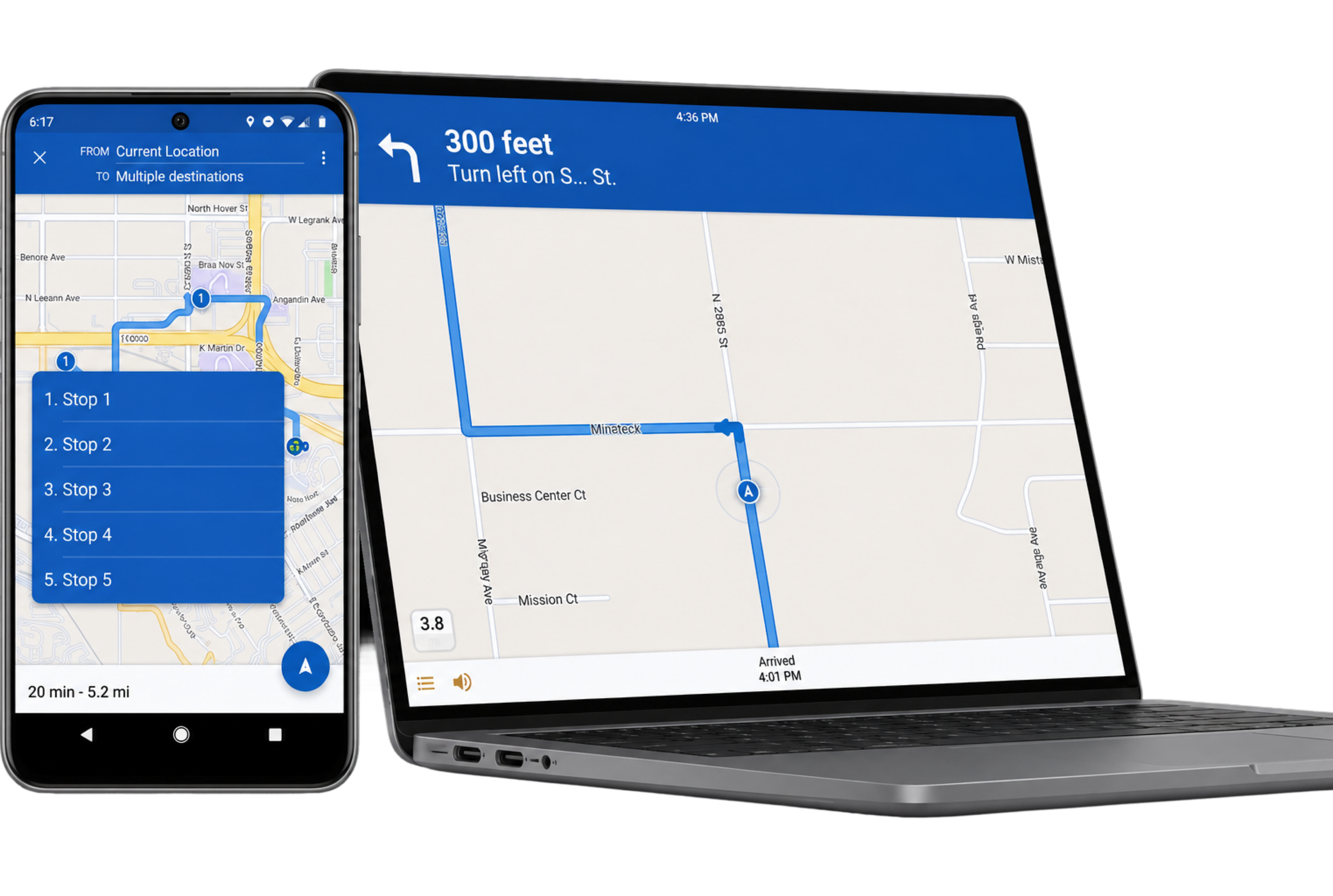
Mobile field apps bring real-time visibility into operations by allowing field teams to receive work orders, navigate to asset locations, and update job statuses instantly.
An electricity crew can log transformer faults immediately, a gas technician can update leak repairs on-site, and a telecom engineer can confirm tower installations without delay. Similarly, water utility teams can report pipe bursts in real time, while sewer crews can log manhole inspections and blockage clearance activities instantly.
This real-time feedback loop dramatically reduces response times, enhances coordination, and improves overall service reliability.
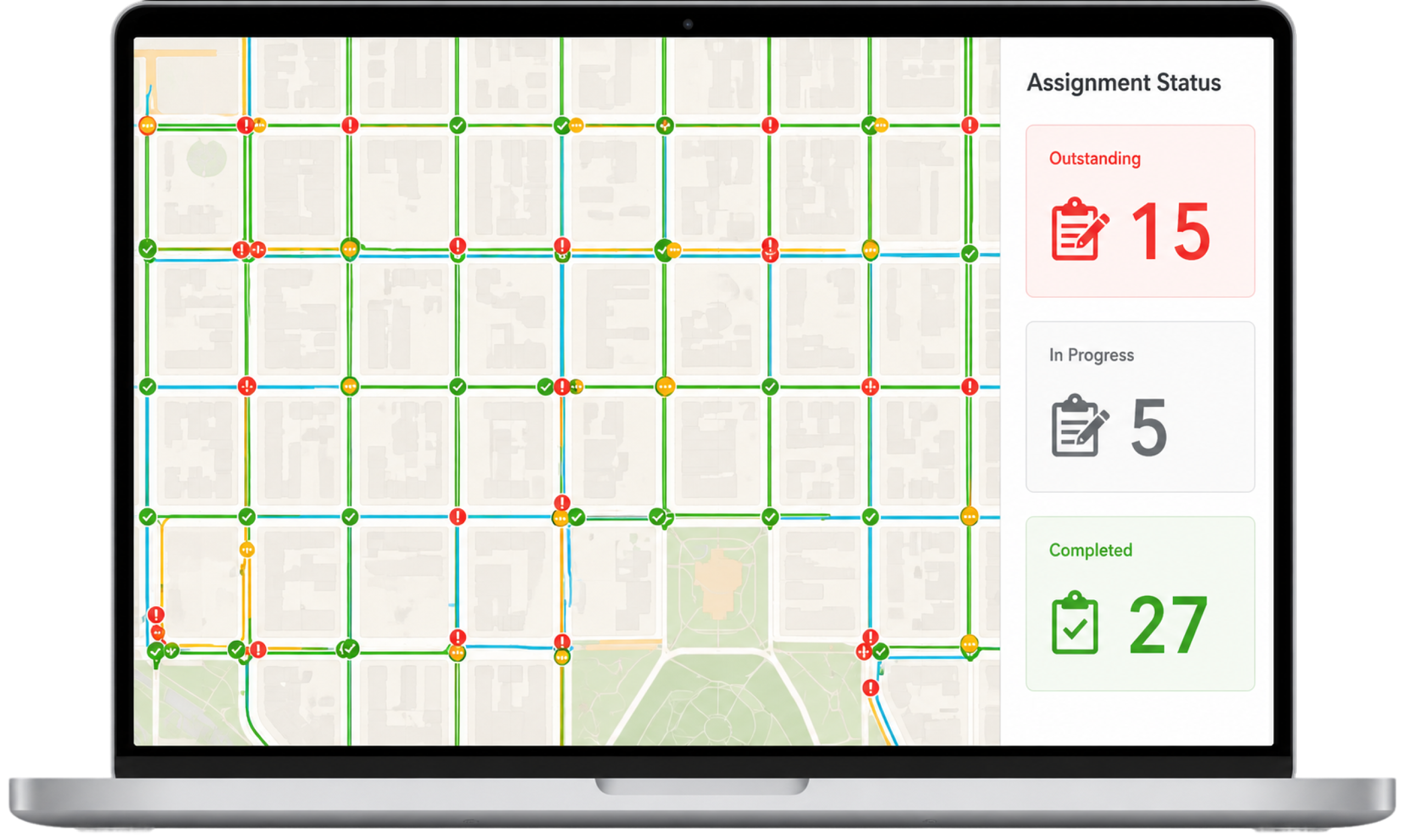
Modern utility operations demand greater control and awareness of field activities. Mobile apps enable geofencing capabilities that allow organizations to define boundaries, trigger alerts, and enforce safety protocols based on location.
This is particularly valuable for protecting critical infrastructure such as substations, gas facilities, and water treatment plants or reservoirs. By providing context-aware insights, these tools help improve both operational safety and regulatory compliance.
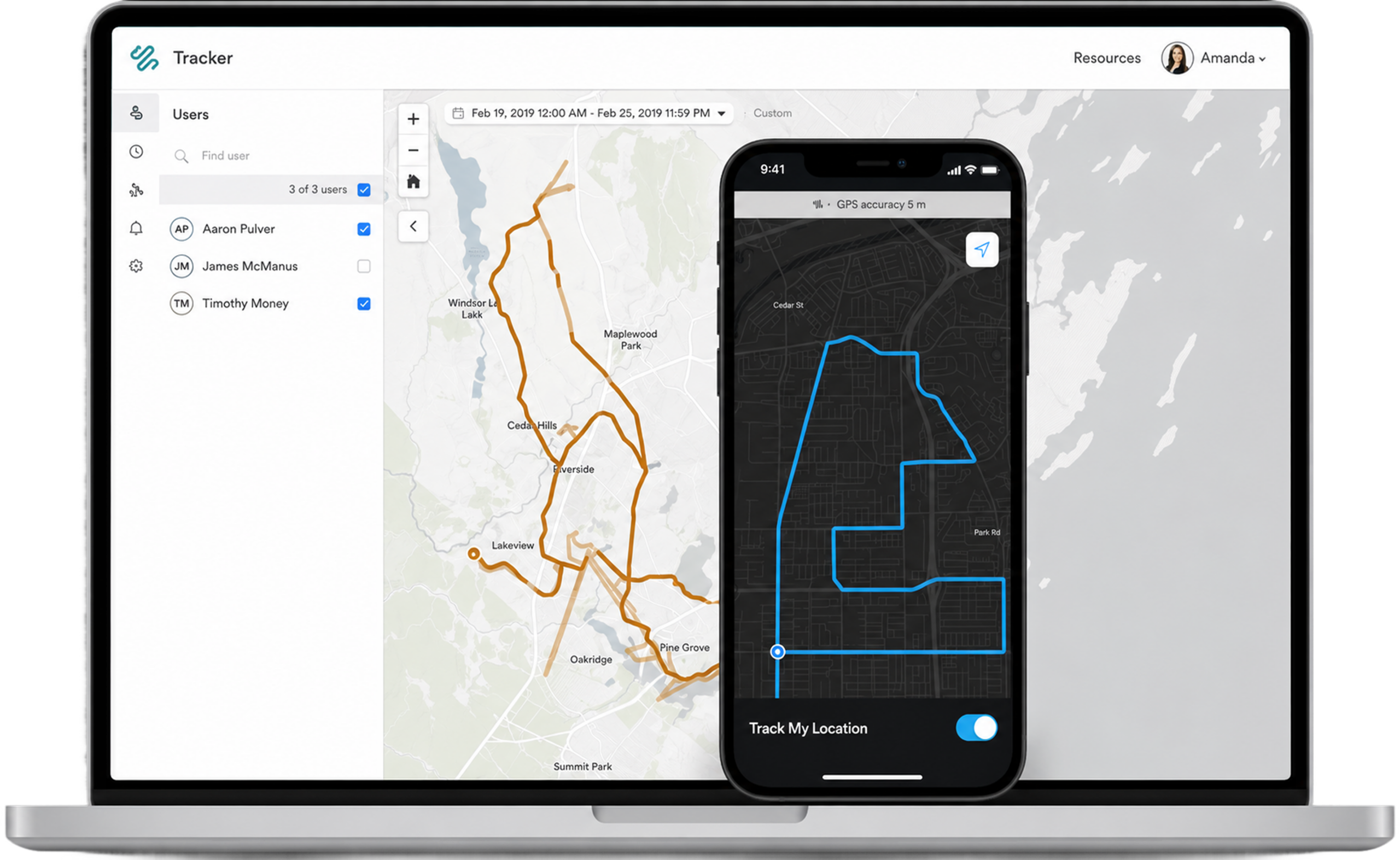
Utility networks often extend into remote or low-connectivity areas where internet access is unreliable. Mobile GIS applications address this challenge by supporting offline functionality.
Field crews can download maps, collect and store data without connectivity, and synchronize updates once they regain network access. This ensures uninterrupted operations across all terrains and geographies, including rural water distribution and sewer networks.
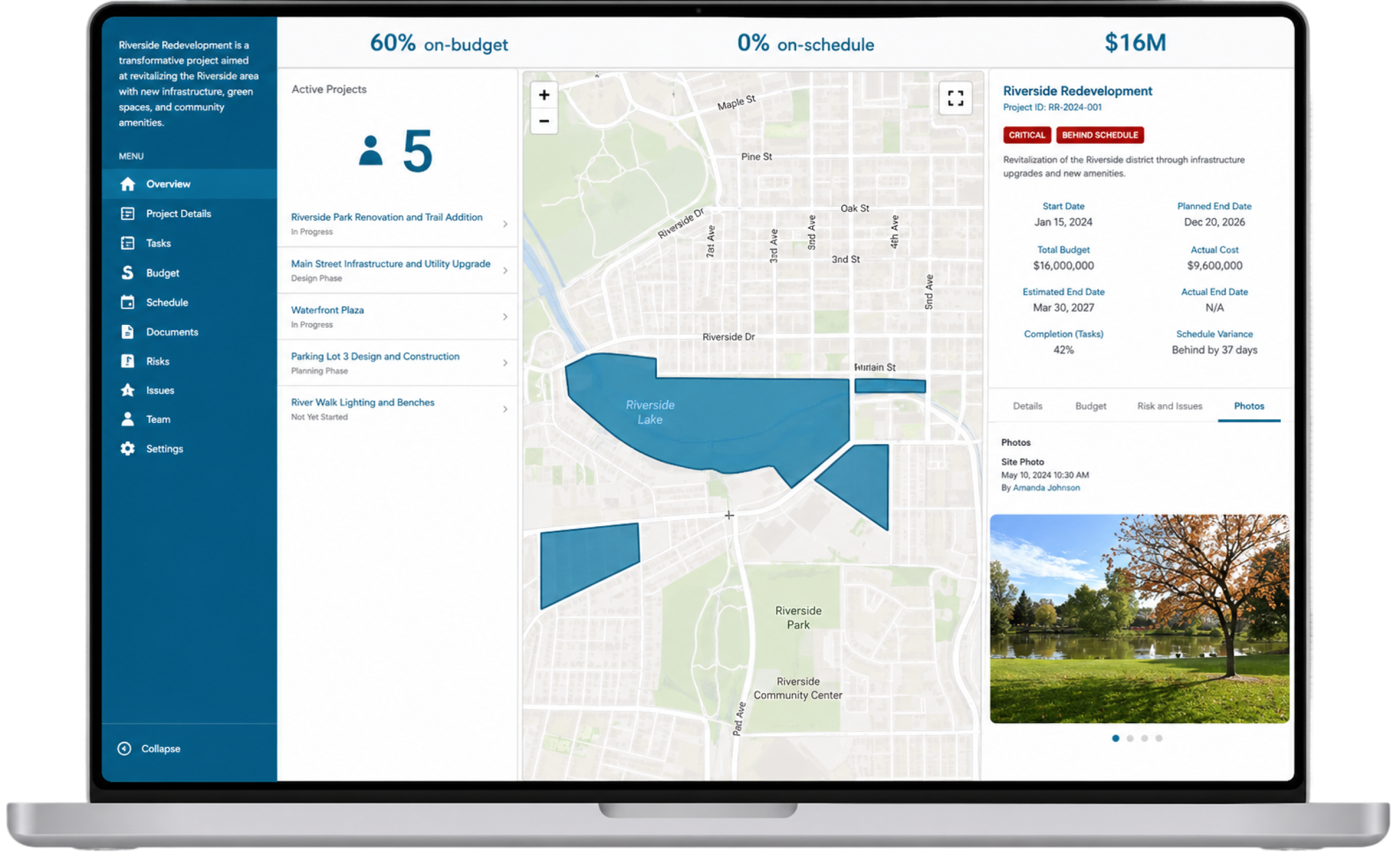
Mobile field applications are not standalone solutions—they integrate seamlessly with enterprise systems such as asset management platforms like SCADA systems, and other IoT platforms.
For water utilities, this integration enables real-time monitoring through smart meters and flow sensors. It allows utilities to track pressure zones, monitor consumption patterns, detect leaks early, and implement non-revenue water (NRW) reduction strategies. By connecting field data with analytics platforms, utilities gain a unified and actionable view of their operations.
Safety is a top priority across all utility sectors, and mobile apps play a critical role in ensuring compliance. They enforce mandatory safety checklists, enable geo-tagged incident reporting, and provide access to asset history and risk data directly in the field.
In water utilities, this also includes maintaining compliance with water quality standards, logging inspections of treatment plants, and ensuring proper documentation for audits. These capabilities not only reduce risks but also improve accountability and transparency.
The adoption of mobile field applications has led to measurable improvements across industries. Electric utilities benefit from faster fault detection and better outage management. Gas utilities see enhanced pipeline inspections and improved safety compliance. Telecom operators streamline tower audits and fiber network mapping.
Water and sewer utilities, in particular, experience significant gains through efficient pipeline and valve management, real-time leak detection, improved NRW reduction strategies, and better monitoring of water quality and sewer systems.
Mobile field applications are a key pillar of digital transformation in utilities. By bridging the gap between field operations and office systems, they enable data-driven decision-making, improve operational efficiency, and enhance customer service.
As utilities evolve toward smart grids, smart water networks, IoT-enabled infrastructure, and predictive maintenance, the role of mobile GIS applications will continue to expand
Applications like ArcGIS Field Maps and ArcGIS Survey123, HexaFOMS are not just tools, they are enablers of a smarter, safer, and more connected utility ecosystem. By empowering field teams with real-time data, seamless workflows, and integrated systems, they are helping utilities meet the growing demands of modern infrastructure management across electricity, gas, telecom, and water sectors.